Tile Roofing Installation in San Francisco | Angelo’s Roofing
Tile Roofing Installation in San Francisco is a premium roofing solution selected for its architectural elegance, structural durability and long-term weather resistance. In a coastal city where properties are exposed to moisture, salt air and seasonal rainfall, properly installed tile roofing systems provide both aesthetic distinction and dependable protection.
At Angelo’s Roofing, we provide professional Tile Roofing Installation in San Francisco designed to meet structural load requirements, climate conditions and architectural standards. Tile roofing systems are commonly used in residential properties seeking a distinctive appearance combined with long service life and strong environmental resilience.
Roof tiles are typically manufactured from clay or concrete materials engineered to withstand environmental stress. Their density and overlapping design create a durable barrier that sheds water efficiently while resisting ultraviolet degradation.
In neighborhoods throughout San Francisco where Mediterranean, Spanish and custom architectural styles are present, tile roofs contribute to both property value and long-term structural performance. When properly installed, tile systems can provide decades of reliable protection.
Professional Tile Roofing Installation in San Francisco requires careful structural assessment. Because tile materials are heavier than many alternative roofing systems, verifying deck stability and load-bearing capacity is essential before installation begins.
Beyond durability, tile roofs offer strong wind resistance when correctly secured and flashed. Their interlocking design reduces direct exposure of the underlayment and protects the roof deck from prolonged moisture infiltration.
About Our Tile Roofing Installation Services
Our Tile Roofing Installation in San Francisco follows a disciplined, structural-first process to ensure both performance and longevity.
The installation begins with a full roof deck inspection. We evaluate plywood condition, structural framing and overall support capacity. Any compromised decking components are replaced before proceeding with underlayment application.
A high-performance underlayment is installed to provide secondary waterproof protection beneath the tile layer. Because tile systems are water-shedding rather than fully waterproof by themselves, the underlayment plays a critical role in long-term moisture protection.
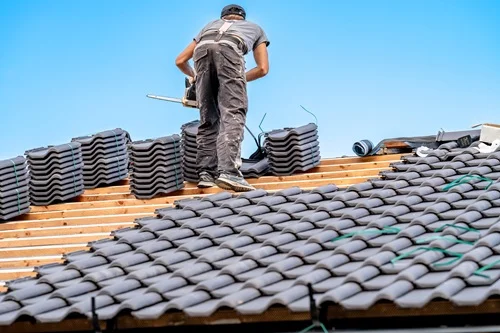
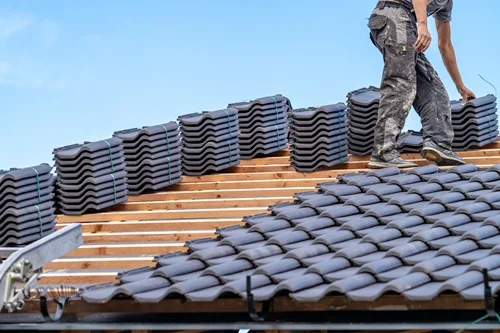
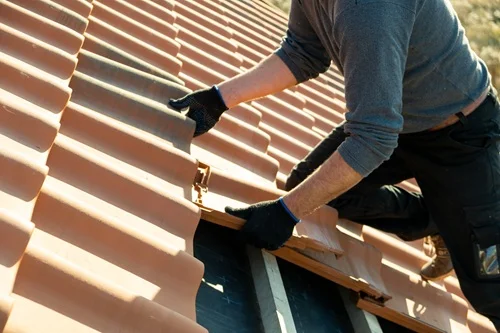
Each tile is then aligned and secured according to manufacturer specifications. Proper fastening methods are essential in Tile Roofing Installation in San Francisco to ensure wind resistance and prevent shifting over time.
Flashing integration is reinforced around chimneys, skylights, valleys and roof penetrations. Many San Francisco properties feature complex rooflines, making precise flashing installation essential to preventing leaks.
Ridge and hip areas are carefully sealed to maintain structural continuity. Adequate ventilation components are incorporated to support airflow and reduce heat accumulation beneath the tile surface.
Key advantages of professional Tile Roofing Installation in San Francisco include:
Exceptional longevity under proper maintenance
Strong resistance to ultraviolet degradation
High durability against wind exposure
Architectural appeal and property value enhancement
Reliable water-shedding performance
Structural resilience in coastal climates
Unlike lighter roofing materials, tile systems provide mass and stability that contribute to overall roof strength. Their durability often makes them a long-term investment for homeowners prioritizing lifespan and visual impact.
San Francisco’s coastal environment exposes roofing systems to moisture, fog, wind and salt air. Over time, these environmental elements can degrade less resilient materials.
Emergency Roof Repair in San Francisco for Coastal Climate Conditions
Tile Roofing Installation in San Francisco performs effectively under these conditions because clay and concrete tiles are naturally resistant to ultraviolet radiation and moisture absorption when properly manufactured and installed.
The overlapping design channels water downward toward gutters, reducing direct penetration into the underlayment. Proper slope design enhances drainage efficiency and prevents prolonged standing water.
Wind resistance is another important factor. When tiles are correctly fastened and ridge systems are secured, the roof maintains stability under coastal gust conditions.
Additionally, tile roofing systems offer thermal advantages. The air space between tiles and underlayment promotes ventilation, which can help regulate attic temperatures and reduce heat stress on structural components.
Structural benefits of Tile Roofing Installation in San Francisco include:
Long service life with proper maintenance
Resistance to surface cracking under moderate impact
Enhanced architectural strength
Adaptability to sloped roof structures
Reduced frequency of full roof replacement
Routine inspections are recommended to monitor underlayment condition and ensure tiles remain properly secured. Early maintenance extends the overall lifespan of the system.
Ultimately, Tile Roofing Installation in San Francisco combines structural integrity, climate resilience and refined architectural appeal. When installed by experienced roofing professionals, tile systems provide durable protection suited to the environmental demands of the Bay Area.
In addition to structural strength, tile roofing offers long-term cost efficiency when evaluated over its lifespan. While the initial installation investment may be higher compared to some alternative materials, the extended service life and reduced frequency of full replacement can offset long-term expenses. Property owners seeking a durable roofing solution often consider tile systems a strategic investment in structural longevity.
Energy efficiency is another factor that contributes to the appeal of Tile Roofing Installation in San Francisco. The natural thermal mass of clay and concrete tiles helps moderate rooftop heat absorption. Combined with proper underlayment and attic ventilation, this configuration can support more stable indoor temperatures and reduce strain on cooling systems during warmer periods.
Fire resistance is also a relevant consideration in California. Tile materials are non-combustible, which can enhance overall roof safety performance when installed in accordance with local building codes. While underlayment and structural components must also meet safety standards, tile surfaces themselves provide an additional protective layer against external ignition sources.
Maintenance accessibility is an important component of long-term performance. Individual tiles can often be replaced without removing large roof sections, allowing localized repair when minor damage occurs. This adaptability helps preserve the overall roofing system without requiring extensive reconstruction.
Proper planning during Tile Roofing Installation in San Francisco includes evaluating roof slope compatibility, drainage layout and flashing transitions before installation begins. These assessments ensure the final system integrates seamlessly with gutters, parapet edges and adjacent structural features.
When executed with technical precision and high-quality materials, tile roofing provides a balanced combination of durability, safety and architectural refinement suited to San Francisco’s diverse residential landscape.
Schedule Tile Roofing Installation in San Francisco
If you are considering a long-lasting and architecturally refined roofing system, contact Angelo’s Roofing for professional Tile Roofing Installation in San Francisco customized to your property’s structural requirements.
Our experienced roofing team in San Francisco will evaluate your project, inspect your roof condition, and understand your specific needs. We provide honest recommendations, clear timelines, and professional guidance to ensure the right solution for your property.
Receive a transparent and detailed roofing estimate based on materials, labor, and project scope. We calculate everything carefully so you understand the investment, timeline, and value before moving forward.
Once approved, our licensed and insured roofing specialists begin the project using high-quality materials and proven installation techniques. We work efficiently, safely, and deliver long-lasting results.





 Call Us Now